Hadfield Script: A Modern Typeface for Web Design
In the fast-paced world of digital product creation, typography is often the first element a user notices before they even process the content. As web designers and UI specialists, we constantly search for typefaces that balance aesthetic appeal with functional clarity. Hadfield Script emerges as a compelling option in this landscape, offering a modern approach to handwritten aesthetics that fits seamlessly into contemporary web layouts. Unlike traditional calligraphy fonts that can feel overly ornate or difficult to parse on screens, Hadfield brings a clean, rhythmic flow that enhances visual hierarchy without sacrificing readability.
Understanding the Visual Personality of Hadfield
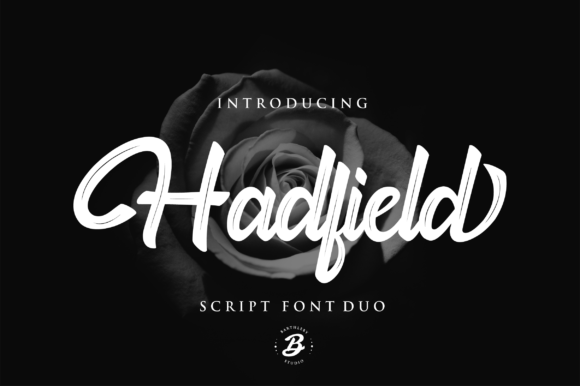
Hadfield is not just another decorative addition to your font library; it is a versatile tool designed for the digital age. Available in two distinct variations—Strip and Regular—this script font provides flexibility for different design contexts. The Regular style offers a fluid, connected stroke that mimics natural handwriting, making it ideal for adding a human touch to sterile digital interfaces. The Strip variation introduces a textured, layered effect that adds depth and dimension, perfect for creating focal points in hero sections or promotional banners.
For a web designer, the personality of a typeface dictates the tone of the entire user experience. Hadfield Script exudes confidence and modernity. It avoids the cloying sweetness of some handwritten fonts, opting instead for a sophisticated, professional demeanor. This makes it an excellent choice for brands that want to appear approachable yet authoritative, such as coaching platforms, boutique online stores, or creative agencies.
Strategic Placement in Digital Layouts
When integrating a display font like Hadfield into a website, context is everything. Using it for body copy would be a mistake, but leveraging it for specific structural elements can significantly boost engagement. Here is how you can effectively deploy Hadfield Script across various digital touchpoints:
- Hero Sections and Landing Pages: Use Hadfield for short, impactful headlines that convey the brand’s core value proposition. Its legible curves draw the eye immediately, setting the stage for the rest of the content.
- Call-to-Action Areas: While not suitable for small button text, Hadfield works beautifully for larger CTA headers or secondary action prompts where you want to inject personality.
- Logo Design and Branding: For digital-first brands, a logo built with Hadfield can serve as the cornerstone of a consistent online identity. Its unique letterforms ensure memorability in social media profiles and website headers.
- Social Media Graphics: In an era where visual content drives traffic, using Hadfield for quote cards, story overlays, and post headers creates a cohesive brand aesthetic across platforms.
The key is restraint. Because Hadfield is a modern typography piece with strong character, it should be used sparingly to highlight important information rather than overwhelm the user. Think of it as the spice in a dish, not the main ingredient.
Readability and Responsive Considerations
One of the primary concerns when using script fonts in web design is readability across devices. Hadfield Script performs surprisingly well on mobile screens, provided you adhere to certain sizing guidelines. On smaller viewports, ensure that the font size is large enough to prevent the connected strokes from blurring together. A minimum size of 24px to 32px is recommended for headings on mobile devices to maintain clarity.
Contrast also plays a crucial role. Hadfield looks striking against both light and dark backgrounds, but you must ensure sufficient contrast ratios for accessibility. When placing the font over image overlays, consider using a subtle drop shadow or a semi-transparent background box to separate the text from complex visuals. This ensures that the elegant curves remain distinct and scannable, supporting better user engagement and reducing bounce rates.
Effective Font Pairing Strategies
A script font rarely stands alone in a comprehensive design system. To create a balanced visual hierarchy, you need to pair Hadfield with complementary typefaces. The goal is to create contrast between the organic flow of the script and the structured stability of the supporting text.
Pairing with Sans Serif Fonts: This is the most common and effective strategy for digital products. A clean, geometric sans serif font provides a neutral backdrop that allows Hadfield to shine. This combination is ideal for SaaS landing pages, app interfaces, and modern e-commerce sites. The sans serif handles the heavy lifting of informational content, while Hadfield adds emotional resonance to headers.
Pairing with Serif Fonts: For a more editorial or luxury feel, consider pairing Hadfield with a high-contrast serif font. This combination works well for fashion blogs, portfolio sites, and high-end product pages. The serif adds a layer of tradition and elegance, while Hadfield injects a contemporary, dynamic energy. This mix creates a sophisticated editorial design vibe that appeals to discerning audiences.
Licensing and Technical Implementation
Before deploying Hadfield Script in client projects or commercial products, it is essential to review the licensing terms. As a premium font, it typically comes with specific allowances for web use, including webfont formats like WOFF and WOFF2. Ensure that your license covers the expected traffic volume for your website or online store. Proper licensing not only protects you legally but also supports the creators who develop these high-quality design assets.
From a technical standpoint, check if the font package includes multilingual support if your target audience is global. Additionally, verify the availability of alternates or ligatures, which can add further customization options to your brand identity. Using CSS features like font-feature-settings can help you access these stylistic nuances, allowing for a more tailored typographic experience.
In conclusion, Hadfield Script is more than just a decorative element; it is a strategic tool for enhancing digital communication. By understanding its strengths in visual hierarchy, readability, and brand tone, web designers and UI creators can leverage this font to build more engaging, trustworthy, and visually appealing online experiences. Whether you are designing a course sales page, a creative portfolio, or a boutique shop, Hadfield offers the modern elegance needed to stand out in a crowded digital marketplace.